How Chinese Culture Has Changed in the Last Years
Katelyn Nestor
Some documentaries just present facts, while others invite viewers to look beneath the surface and consider the bigger picture. How Chinese Culture Has Changed in the Last Years, produced by ENDEVR on YouTube in 2021, does more than just share information. This documentary encourages the audience to consider how cultural change in modern China is a complex, ongoing process.
Throughout the documentary, the creators focused on several connected themes showing how Chinese culture is changing as the country becomes more global and modernizes. For example, they analyze China’s rapid economic growth and its effects on everyday cultural practices. They also look at how new technology is shaping the way people live and work. Changes in business practices are also mentioned, showing the relationship between economic growth and technology.
The documentary goes on to explore how cultural expression is changing, especially in areas such as fashion and art. This shows that while global trends continue to impact, people in China are still finding ways to keep their local identity alive. Simultaneously, the film underscores that tradition remains important, using the Chinese New Year as an example of cultural preservation. By examining globalization, the documentary also makes clear that China is becoming increasingly interconnected with the rest of the world, bringing new influences and opportunities.
In the end, the documentary leaves the viewer with a few important ideas about cultural changes. It makes it clear that Chinese culture is always changing, especially as the country modernizes. Still, traditional values are a strong part of daily life. Modernization isn’t wiping out old customs; rather, it works alongside tradition, demonstrating how cultural identity shifts and grows without disappearing.
A common misconception regarding culture is that it stays the same, but as it gets passed down from one generation to the next, it changes shape. Think of culture more like a mound of clay that is constantly being molded into a new form. According to my textbook, culture is understood as a dynamic, learned, and constantly evolving system (Samovar, Porter, McDaniel, & Roy, 2017). In the documentary, Chinese culture is changing. One example of this is China’s rapid economic growth and its reshaping of everyday life. This is best seen in urbanization and changes in work and consumer habits, where customary ways of living are increasingly influenced by modern business practices and global markets.
The documentary also demonstrates how China’s cultural change is linked to overall shifts in communication practices. This reinforces the theory that communication and culture are inseparable; you can’t have one without the other. The more tech is involved in daily life, the more communication is shaped using online platforms and social media. This, in turn, will influence how people interact in both personal and occupational contexts. An example of this in the documentary is that Chinese business practices have become more globally connected and technologically driven, which requires more effective and flexible forms of communication. This example illustrates how cultural environments shape how meaning is created and shared among people. Concurrently, such changes represent cultural modification rather than cultural replacement. Underlying values such as respect, relationship-building, and social harmony can still be reflected in their communication. Overall, this supports the idea that communication behaviors progress alongside cultural change, while remaining grounded in cultural identity (Samovar, Porter, McDaniel, & Roy, 2017).
Additionally, the documentary spotlights the role of globalization in molding modern Chinese culture. To best understand how globalization does this, it is important to understand what globalization even means: “Globalization is the process by which the experience of everyday life, marked by the diffusion of commodities and ideas, is becoming standardized around the world” (Watson, 2002). As China and other nations become increasingly connected through business, media, and technology, external influences intensify their impact on everyday life. Global fashion trends, international business practices, and digital media are used throughout the video to illustrate how cultures can influence one another. These worldwide influences often blend with existing cultural values to create a culture that is modern and distinctly Chinese, rather than completely replacing traditional customs (Samovar, Porter, McDaniel, & Roy, 2017).
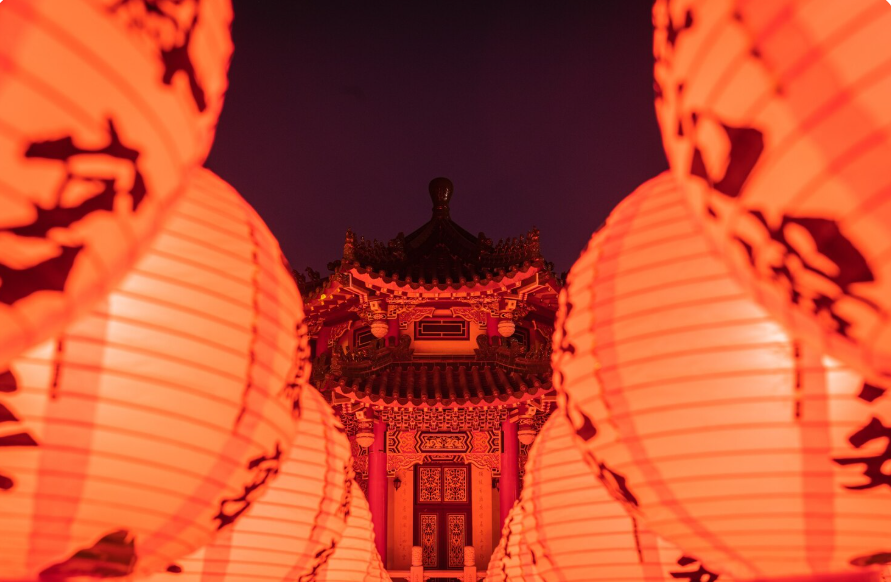
The documentary not only emphasizes changes in Chinese culture but also shows that cultural identity remains an important part of Chinese society. The clearest examples of this are the importance of the Chinese New Year and the accompanying celebrations. While younger generations embrace more modern lifestyles, they continue to observe customs that connect them to their heritage. Even during periods of rapid social change, cultural identity stays intact. Intercultural communication scholars explain that traditions help preserve a group’s sense of belonging by reinforcing common beliefs and shared meanings (Samovar, Porter, McDaniel, & Roy, 2017). By showing both innovation and preservation, the documentary illustrates that cultural identity can change over time without disappearing entirely (Tao, Aoki, & Chen, 2024).
One of the key points that stood out to me was how quickly modernization has changed daily life in China. In the documentary, modernization affects more than the economy, as “rapid social change can lead to psychological and cultural change” (Greenberg, 2024), meaning that shifts in society can also reshape cultural identity and everyday values. Economic growth alone has altered cities, built new opportunities, and overall changed how people interact with one another. Technology and urban development have made life in China increasingly fast-paced. This is extremely different compared to what it was like growing up for older generations.
Another vital theme within the documentary is globalization’s impact on how Chinese culture is expressed. According to the National Geographic Society, “the rapid spread of information and goods has affected cultures around the world” (Society, 2023). This quote helps explain how globalization can influence cultural expression without replacing it. Rather than adopting Western ideas, many people blend international influences with Chinese values. This creates a culture that reflects both the past and present, supporting the idea that globalization can reshape cultural identity without erasing it, thereby building a unique and meaningful culture.
Intercultural communication is another key idea throughout the documentary. Outsiders may view Chinese culture through stereotypes that focus only on traditional or modern Chinese culture; this documentary illustrates both simultaneously. By doing this, they emphasize the importance of avoiding oversimplified assumptions when studying different cultures. The textbook explains that people often interpret other cultures through their own experiences, which can lead to misconceptions when cultural context isn’t considered (Samovar, Porter, McDaniel, & Roy, 2017). By showing both perspectives on social change and preservation, the video encourages the audience to view Chinese culture as more complex than many would assume.
My thought process about culture and identity has totally shifted after watching this documentary. Before watching it, I would have questioned the idea that tradition could coexist with modernization and that tradition would inevitably be replaced. However, since watching the documentary, I have learned that they can coexist, and people can value and celebrate both. This is reinforced by the argument that “cultural heritage is more than artifacts or traditions; it is the silent but profound testament to a community’s identity” (Dhungel, 2025).
To wrap this up, "How Chinese Culture Has Changed in the Last Years" explored the idea that cultural change in China is a process of continuous adaptation shaped by modernization, globalization, and communication. Even the greatest influences: economic growth, technological advancement, and other global influences, help change daily life while still existing with China’s deeply rooted traditions. These forces interact to evolve long-standing values such as respect, family, and social harmony, while maintaining continuity. Ultimately, this documentary reflects the dynamism of Chinese culture, challenges simplistic views of cultural change, and highlights how tradition and modernity coexist today.
Works Cited
Dhungel, S. (2025). Cultural Heritage Engraved in Blood: A Human Right Beyond Time. Harvard Art Law Organization.
ENDEVR. (2020, December 6). How Chinese culture has changed in the last years [Video]. YouTube. https://www.youtube.com/watch?v=iJFi9QZITds
Greenberg, A. (2024). How to Get Beyond Talk of "Culture Chonage" and Make It Happen. Stanford Business.
Samovar, L. A., Porter, R. E., McDaniel, E. R., & Roy, C. S. (2017). Communication Between Cultures.
Society, N. G. (2023). Impact of Globalization on Place. National Geographic .
Tao, R., Aoki, N., & Chen, P. (2024). Reappropriating the communal past: lineage tradition revival as a way of constructing collective identity in Huizhou, China.
Watson, J. (2002). Globalization and Culture. Weatherhead: Center for International Affairs at Harvard University.